
J.W. Kelly & Co. · Chattanooga, Tennessee

Our
History

Born in Ireland. Built in Chattanooga. Interrupted by Prohibition. Revived for a new generation.

The story of J.W. Kelly & Co. begins with one immigrant’s education in wine and commerce, then grows into a chapter of Chattanooga’s industrial history. It is a record of enterprise, whiskey, tobacco, hospitality, real estate, loss, and return.

Established 1866
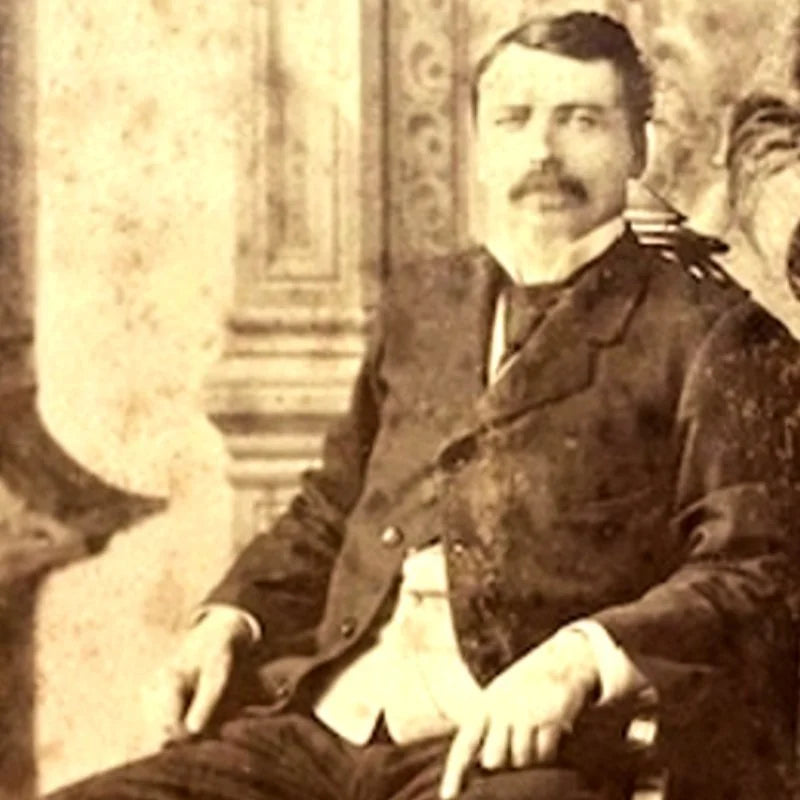
Archival portrait of J.W. Kelly
J.W. Kelly signature
James Watt Kelly, founder of J.W. Kelly & Co.
01

The archival record

From Waterford to Chattanooga—and back to the whiskey world.

  1. Waterford to Dublin

    The beginning of a merchant’s education

    James Watt Kelly was born on February 26, 1844, in Waterford, Ireland, to Henry and Eliza Watt Kelly. When he was eight, the family moved to Dublin, where he received a business education grounded in the wholesale wine trade.
  2. Across the Atlantic

    New York, then Nashville

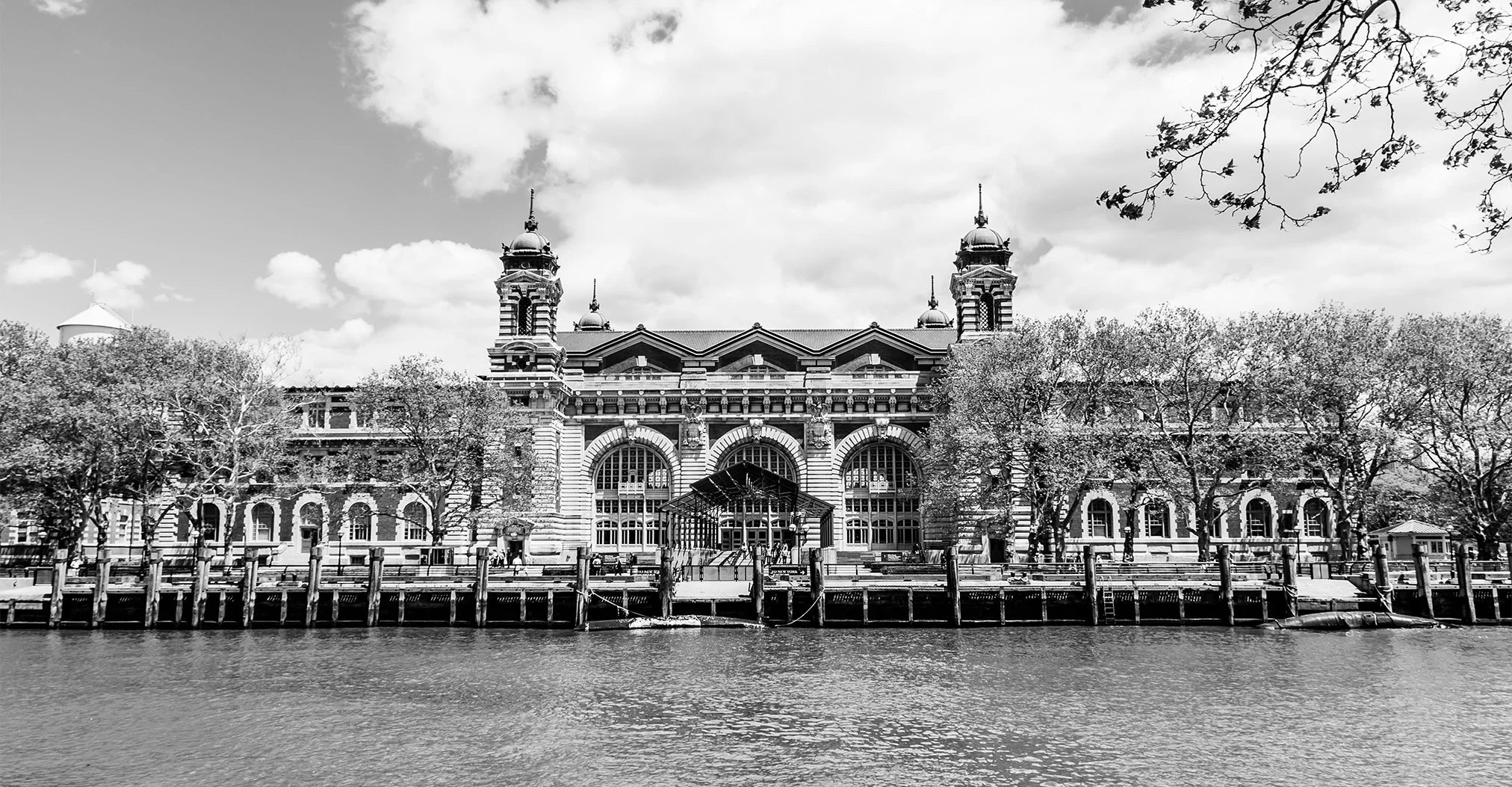
    Kelly emigrated to New York in February 1863. Drawn by Nashville’s growing whiskey trade, he moved to Tennessee in 1864. He first worked in books and stationery, then entered the liquor business as a rectifier and seller of his own brands.

    Historic nineteenth-century building associated with J.W. Kelly's early life
  3. A Chattanooga whiskey house

    Deep Springs Distillery is founded

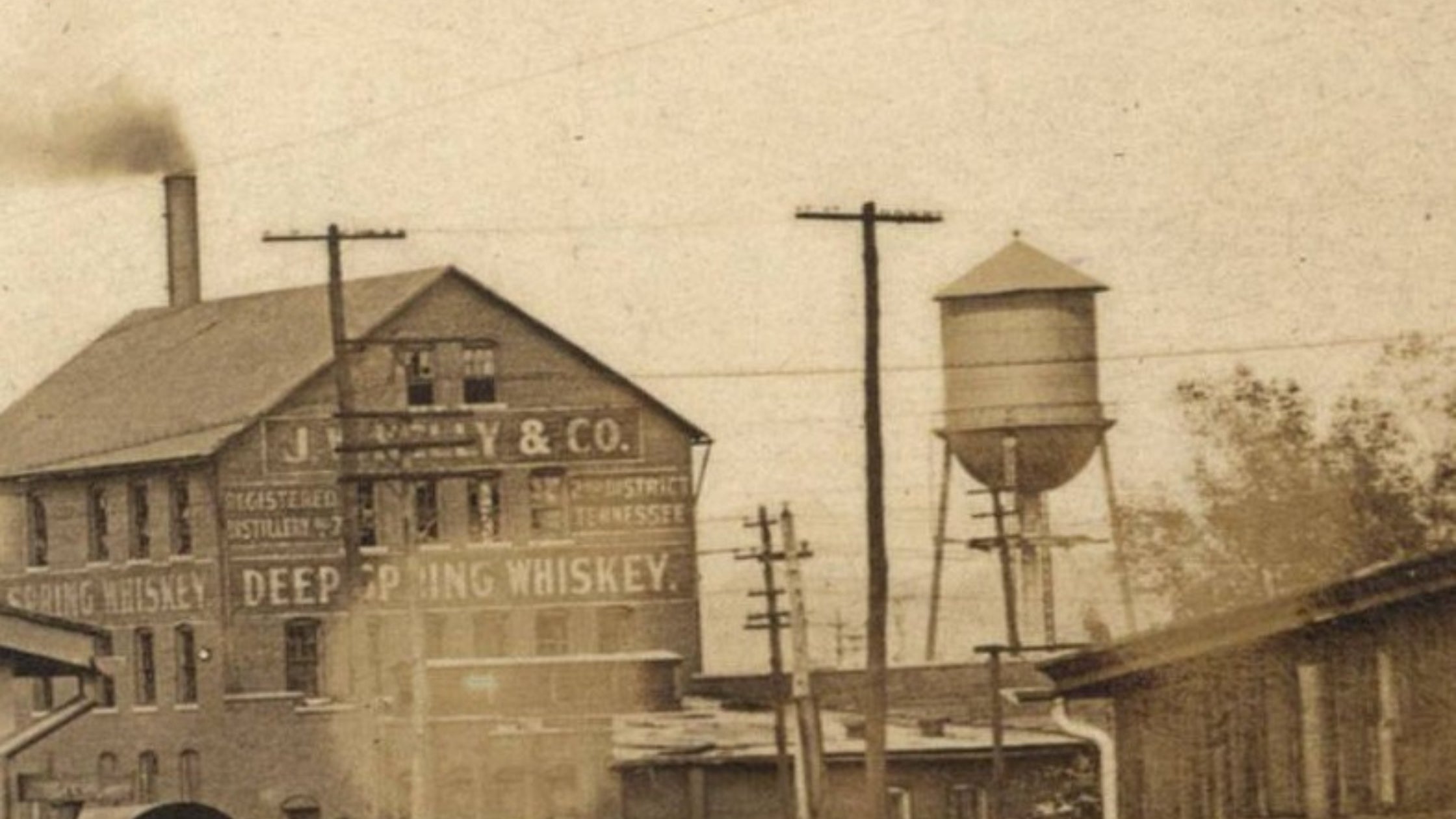
    Kelly stopped in Chattanooga in September 1866 and stayed. He established his company, launched the Kelly Tobacco Company, founded Deep Springs Distillery, and partnered with Alabama grocer J.G. Webb. Their partnership continued until 1876.

    Archival photograph of the J.W. Kelly and Company Deep Spring Whiskey distillery
  4. Across from the Read House

    Two Chattanooga institutions become neighbors

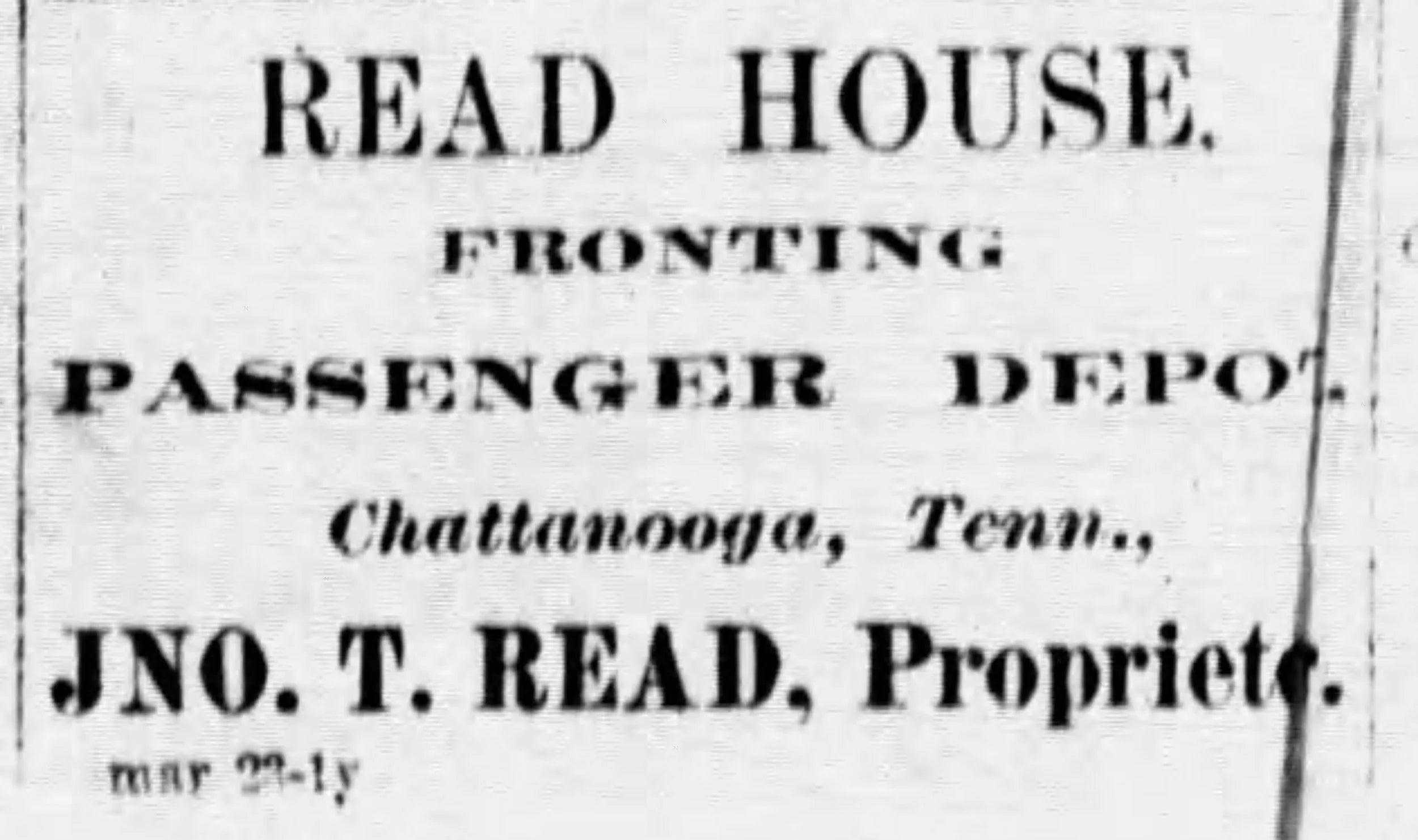
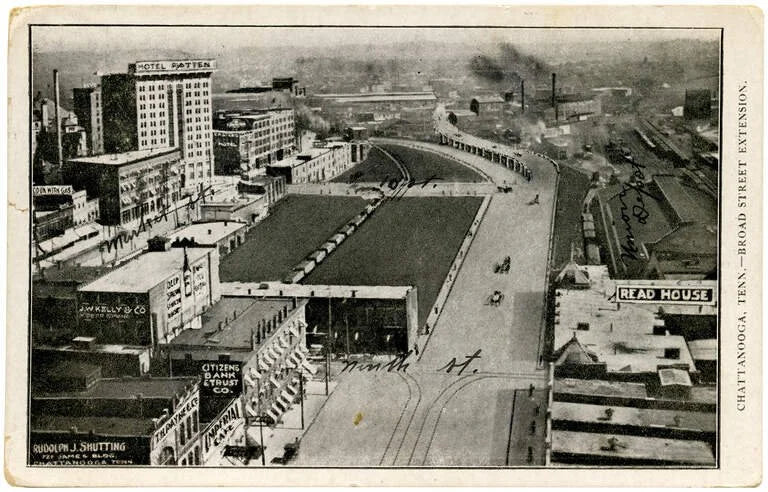
    The Read House opened across from Kelly’s office at 13–15 West Ninth Street. Kelly’s interests within the hotel included the bar, billiards room, cigar shop, and a restaurant, beginning a long association between two local landmarks.

    Historic Read House advertisement from Chattanooga
  5. Whiskey, tobacco, and real estate

    The Davenport partnership

    Near the end of 1876, Kelly partnered with George W. Davenport. Together they continued the whiskey and tobacco businesses while buying and selling property and becoming prominent landlords. Davenport retired from the firm in July 1890.

    Handwritten nineteenth-century J.W. Kelly and Company business document
  6. Civic recognition

    One of the men who shaped Chattanooga

    In December 1892, Kelly was named among the “One Hundred Men Who Have Done Much for Chattanooga.” He was the only distiller included. In 1900, Carl White joined the company as vice president.

    1892 Chattanooga newspaper feature recognizing J.W. Kelly
  7. The end of an era

    James and Elizabeth Kelly

    J.W. Kelly died on March 10, 1907. His wife, Elizabeth “Lizzie” Kelly, followed on November 7 of the same year. They are interred together at Forest Hills Cemetery in Chattanooga.

    Grave marker of J.W. Kelly and Elizabeth Kelly at Forest Hills Cemetery
  8. Tennessee prohibition, Kentucky production

    The business adapts to a new legal landscape

    In 1909, Tennessee enacted laws that sharply restricted alcohol sales and prohibited the manufacture of intoxicating beverages. J.W. Kelly & Co. and Kelly Tobacco Company became separate divisions. In 1911, Carl White acquired a half interest in the Kentucky Peerless Distilling Plant.

    Historic illustration of J.W. Kelly and Company distilling operations in Kentucky
  9. A final move

    Henderson whiskey and non-alcoholic Chattanooga

    Whiskey production shifted to Henderson, Kentucky, while the Chattanooga business sold non-alcoholic beverages. After ratification of the Eighteenth Amendment in 1919, J.W. Kelly & Co. ceased operations.

    Vintage J.W. Kelly and Company advertisement for Milo non-alcoholic beverage
  10. Deep Springs disappears

    Prohibition closes the whiskey chapter

    Prohibition left Carl White as the company’s final board member. He retired and moved to California. Deep Springs Distillery, once a landmark of Chattanooga whiskey, was demolished in 1927.

    Historic photograph of J.W. Kelly and Company Registered Distillery Number 7
  11. The tobacco company carries on

    A final link to the original enterprise

    Kelly Tobacco Company continued under several owners and names. The Witt Group purchased it in 1956, and Kelly Cigar Company joined the Hav-A-Tampa Group in 1962. The business closed in 1963, three years before its centennial.

    Vintage Kelly Cigar and Tobacco Company advertisement from Chattanooga
  12. The last Kelly building

    13–15 West Ninth Street

    After the distillery’s demolition, the office at 13–15 West Ninth Street remained as Kelly’s last surviving building. Recognized as Chattanooga’s first steel structure, it changed owners and addresses before demolition in the early 1980s.

    Historic aerial view of downtown Chattanooga near the former J.W. Kelly office
  13. The name returns

    A historic Chattanooga whiskey house begins its next chapter

    Keeper’s Quest relaunched J.W. Kelly & Co. in 2017 and revived Kelly’s original whiskey recipe. The work continues today: preserving not only a historic whiskey name, but the story of the man and city behind it.

Timeline and archival imagery adapted from the J.W. Kelly & Co. historical archive. Historical spellings and business names may vary across surviving records.